
Table of contents
- 12-Month Performance Table
- Best Overall Months for Visiting Cao Bang
- How Cao Bang’s Monsoon Rhythm Affects Your Trip
- Month-by-Month Guide to Visiting Cao Bang
- Cao Bang Cuisine: A Taste of the Seasons
- Best Time to Visit Cao Bang: Ban Gioc Waterfall and Nearby Attractions
- Road Conditions, Motorbike Travel, and Safety
- Which Travel Style Fits Which Season?
- Conclusion
- Best Overall: October and April. These are the “Gold Standard” months for a perfect balance of weather, road safety, and scenic value.
- Waterfall Chasers: Aim for late Summer to early Autumn (August–October) for maximum power at Ban Gioc, but keep your schedule flexible for rain.
- Easiest Travel: Choose Spring (March–April) or late Autumn for clear light, dry roads, and the best photography conditions.
- Safety Warning: Avoid long motorbike stages May to August due to monsoon risks. Expect heavy mist and cold in December–February.
- Route Strategy: Always pair Cao Bang with Ba Be National Park to create a seamless northern loop and avoid backtracking to Hanoi.
12-Month Performance Table
A quick-scan summary of weather, safety, and the “Soul” of Cao Bang based on current 2026 field data.
| Month | Weather | Road Safety | Scenic Payoff | The Verdict |
|---|---|---|---|---|
| Jan - Feb | Cold, Misty | Moderate | Cultural Heritage | Best for budget and cultural Tet immersion. |
| Mar - Apr | Mild, Clear | High | Fresh Landscapes | Top Choice for motorbikes, trekking, and clarity. |
| May - Jun | Hot, Rainy | Moderate | Lush Greenery | Early monsoon beauty; waterfalls start growing. |
| Jul - Aug | Hot, Heavy Rain | Low | Extreme Power | High risk, high reward for waterfall chasers. |
| Sep - Oct | Cool, Golden | High | Extreme Harvest | The Best Overall Window for all travelers. |
| Nov - Dec | Cold, Dry | High | Wildflowers | Nov still rides Autumn's golden window; Dec turns quiet, misty, and budget-friendly. |
Best Overall Months for Visiting Cao Bang
Best overall months are late September to November and March to April. These windows combine improved road surfaces, good visibility, and attractive scenery for most trip styles.
The “Gold Standard” Windows: October and April
October and April are the single most reliable months for travelers who want both comfort and scenery. October follows the rainy season so waterfalls retain strong flow while daily rain is less frequent. April follows the cool dry season and brings fresh greenery with relatively stable weather. These months suit day-trippers from Hanoi, families, photographers wanting clear light and some water movement, and riders planning motorbike loops who want less mud and fewer delays.
Months to Approach with Caution
May through August is the main rainy season and requires caution. Expect heavy, sometimes prolonged rains, muddy mountain stretches, and occasional road washouts or temporary closures. July and August are especially prone to sudden downpours and limited visibility in the mountains. The rain does reshape the landscape rather than just complicate it: at Angel Eye Mountain, the open grassland at the foot of the mountain floods into a seasonal lake roughly 15 hectares wide, so the same spot that is a dry, cattle-grazed plain from winter to spring becomes open water reflecting the mountain through the summer months. December to February can be cool and misty. Travel is still possible, but fog and morning chill reduce visibility and make early starts uncomfortable. If you do go during these months, plan for layers and allow extra driving time.
How Cao Bang’s Monsoon Rhythm Affects Your Trip
Cao Bang follows a clear monsoon rhythm: a wet season that feeds the waterfalls and a drier season that makes travel simpler. That rhythm changes not only the look of the landscape, but how easy and safe it is to move between sites.
Dry Season: Firm Roads and Predictable Schedules
The dry season, roughly November to April, gives you firmer roads and more predictable schedules. That makes motorbike travel and multi-stop itineraries much easier, and daytime visibility is usually better for photography and mountain viewpoints.
Temperatures fall to their lowest in December and January, typically between 10°C and 18°C, so mornings and evenings can feel quite cool in higher elevations. Haze can occur in late winter, reducing long-distance views on some days.
Rainy Season: Lush Landscapes and Powerful Flows
The rainy season, roughly May to October, brings the benefits of lush landscapes and the strongest waterfall flows. Ban Gioc is at its most dramatic after prolonged rain, and lakes and rice terraces look full and green. The trade-off is practical. Heavy rain can make many rural roads slippery or impassable, increase travel times, and force last-minute plan changes.
During the peak of the monsoon, the water at Ban Gioc may turn a powerful, silty brown rather than the typical turquoise. If you travel in this period, build flexibility into your itinerary and avoid long single-day motorbike stages on unpaved mountain roads.
Month-by-Month Guide to Visiting Cao Bang
Use these short profiles to decide which month matches your priorities. Each entry focuses on what you will actually feel on the ground: road ease, scenic payoff, and comfort.
Spring: Mild Weather and Fresh Blooms (March - April)
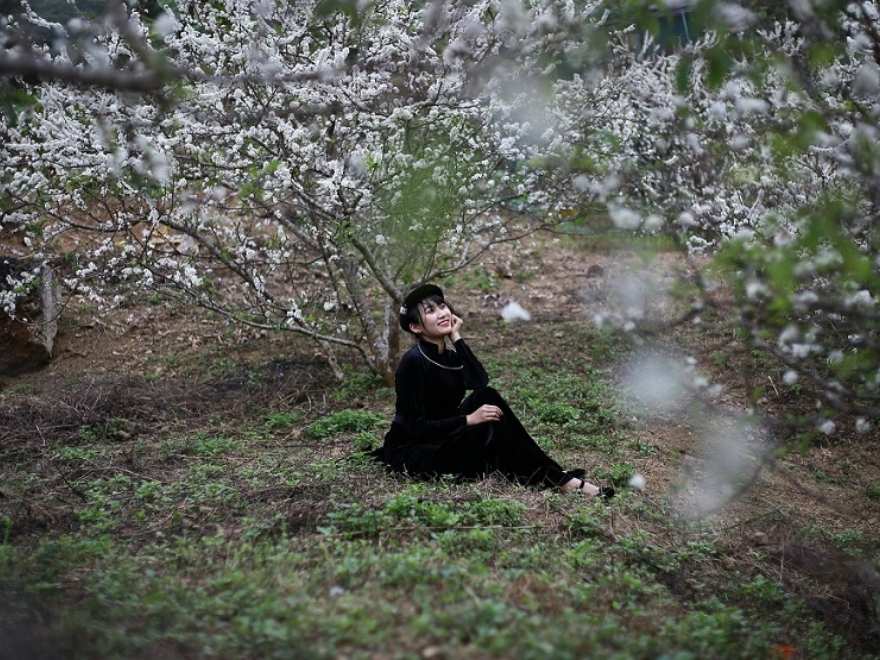
Spring in March and April is a strong window for comfortable sightseeing and photography. Temperatures rise, the air clears, and vegetation takes on a fresh green that photographs well without the heavy clouds of summer. This is also when the valleys are painted with the soft whites of Pear blossoms and Plum blossoms, along with the pale pink of Peach flowers. Spring suits light trekking, village visits, and multi-day motorbike routes. You will get fewer rainy interruptions than in summer, and Ban Gioc will still have decent flow late winter snowmelt and early-season rains.
Summer: Greenery and Waterfall Power (May - August)
Summer May through August gives you the fullest waterfall and the richest green in the uplands. If your goal is maximum water volume at Ban Gioc and saturated riverscapes, this is the season to aim for, particularly after a sustained wet spell. This is also the ideal time to explore Nguom Ngao Cave or Pac Bo Relic, as the caves provide a natural cool refuge from the 30°C outside heat. However, plan for rain disruption. Single-day plans can be derailed by heavy showers or local flooding, and many smaller roads become slow or muddy.
Autumn: The Harvest and Balanced Travel (September - November)
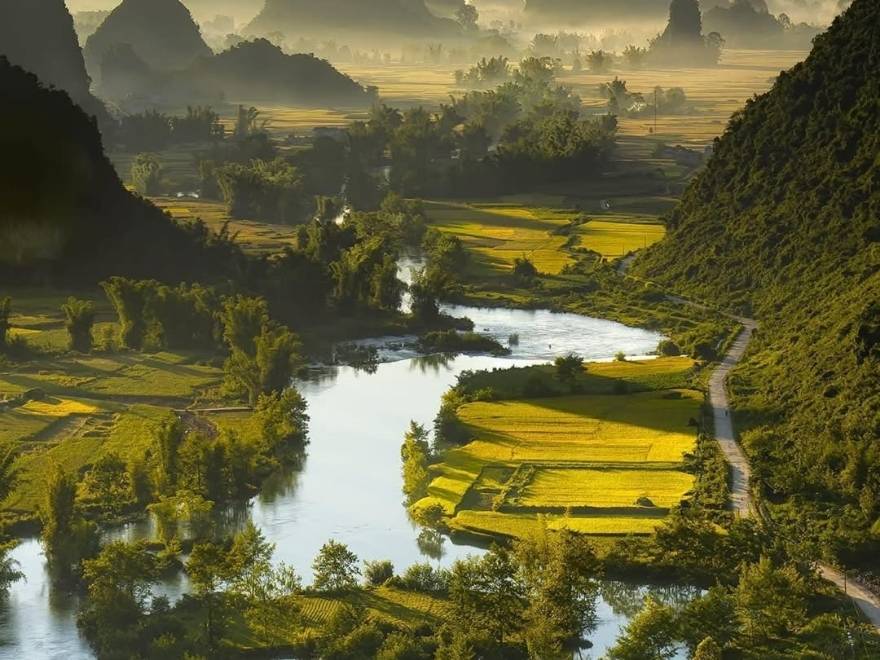
Autumn September to November is the most balanced period for most travelers. By late September, the worst of the monsoon has usually passed. October offers strong waterfall flow, clear skies between rain episodes, and improved road conditions. This is the “Golden Season” when the rice terraces in Phong Nam Valley and Ngoc Con turn vibrant green to a shimmering gold.
2026 update, not a yearly tradition: Cao Bang City has planned a one-off National Day event from August 28 to September 1, 2026, including a release of 3,000 sky lanterns and a concert at Pac Bo Square on the night of September 1. This is tied specifically to the 2026 anniversary, not an annual fixture on the calendar, so check with our team or local news closer to your dates if you want to catch it.
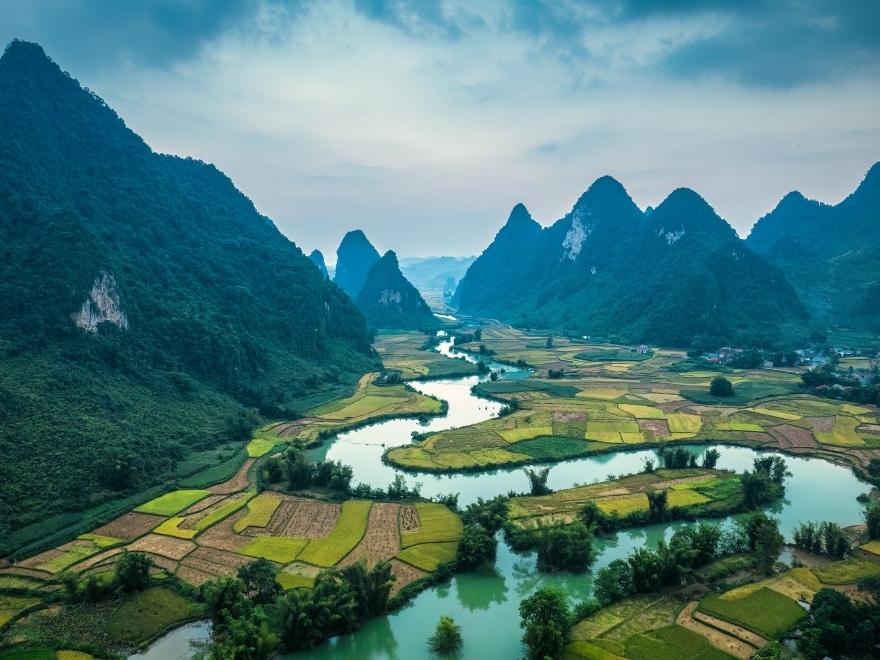
Autumn is the best compromise for photographers who want both bold water scenes and reasonable visibility. It is also the preferred time for motorbike touring because roads firm up and the weather is less erratic.
>>> Discover more about Phong Nam Valley and Ngoc Con
Winter: Quiet Travel and Misty Peaks (December - February)
Winter December to February is the quiet season. Roads are generally drier, and tourist numbers drop. If you want fewer crowds and lower prices, winter is suitable, but expect cold mornings, occasional fog, and shorter daylight hours. This season is marked by the arrival of Buckwheat flowers and bright Wild sunflowers (Dã Quỳ), creating a vivid yellow and pink contrast against the grey karst mountains.
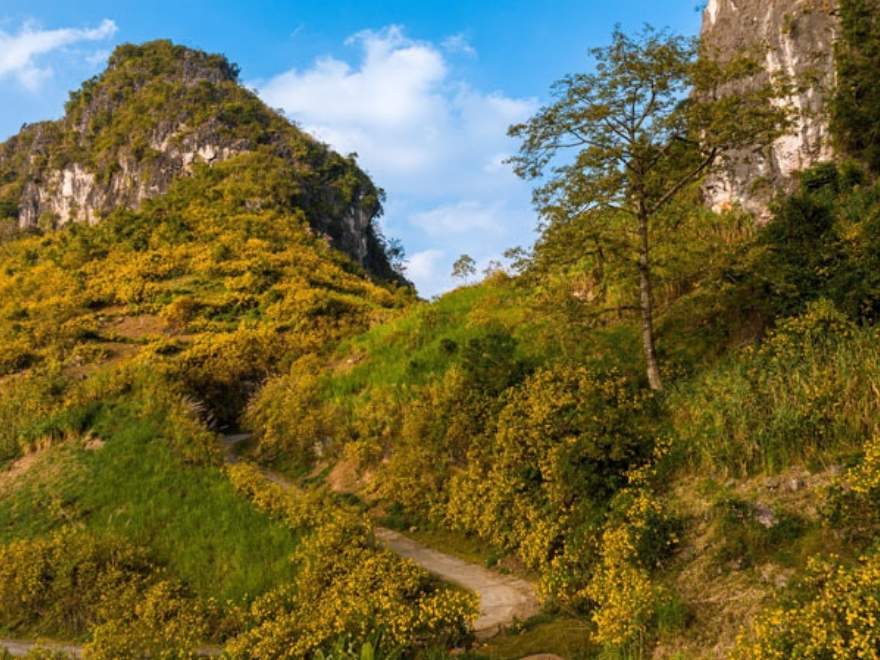
Winter works well for travelers who prefer a relaxed itinerary, cultural visits, or a straightforward drive to and from Hanoi.
Cao Bang Cuisine: A Taste of the Seasons
The flavors of Cao Bang are deeply tied to the temperature and the harvest cycle. Matching your meals to the season enhances the sensory experience of the trip.
Winter & Spring: Warming Local Specialties
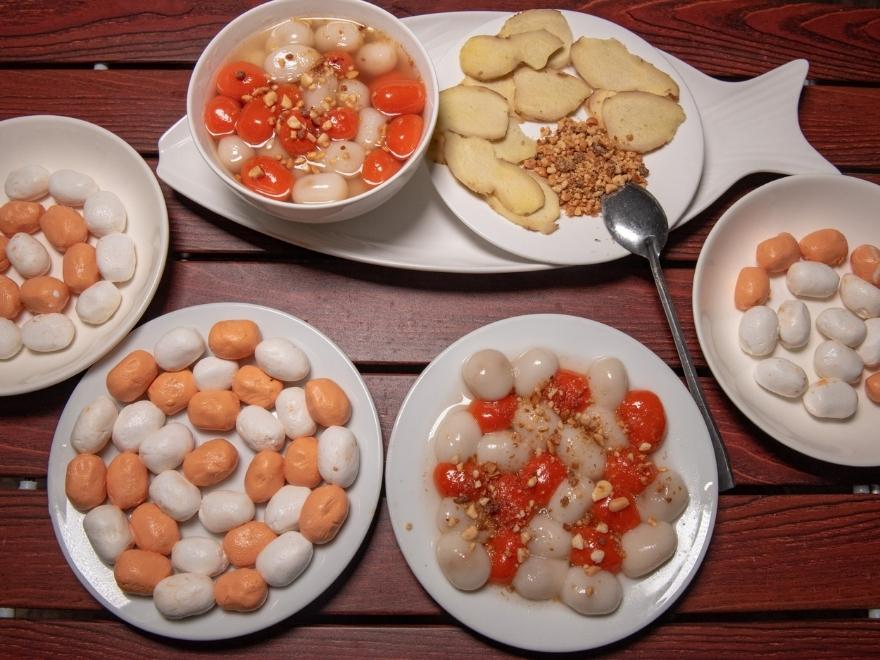
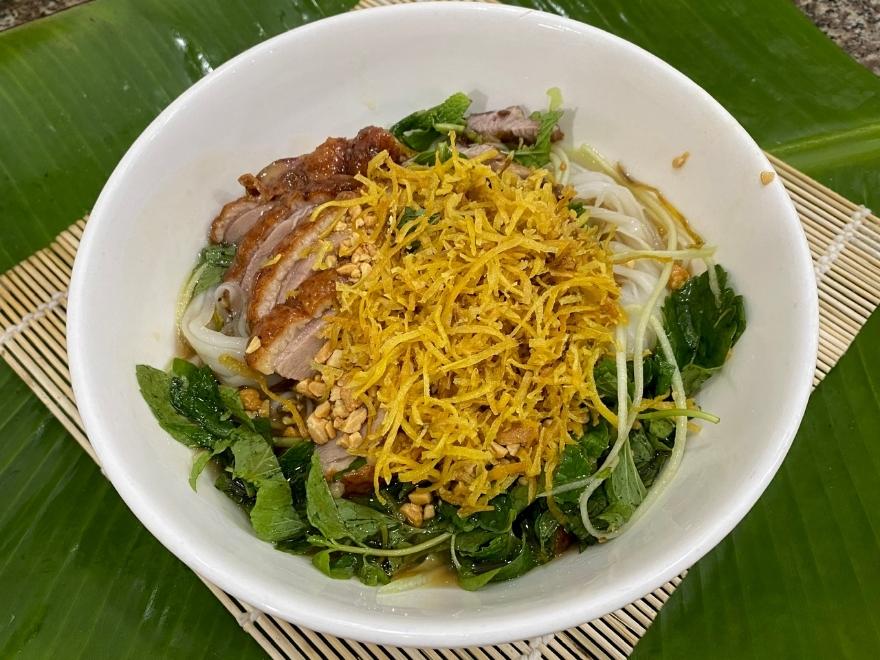
During the cold months November to February, the mountain chill is best met with a bowl of hot Coong Phu (ginger-syrup rice balls) or the savory richness of Cao Bang Roasted Duck marinated with mac mat leaves. The duck provides essential warmth for the 10°C nights. Don't miss the local Banh Cuon Cao Bang, which is uniquely served with a hot bone broth rather than a dipping sauce.
Summer & Autumn: Refreshing Mountain Staples
When the heat of summer sets in, the locals favor Pho Chua (Sour Pho). This tangy dish with its signature vinegar sauce, roasted peanuts, and mountain herbs is the perfect recovery after a day of exploring. During the autumn harvest, the quality of rice is at its peak, making the simple steamed dishes and local sticky rice exceptionally flavorful and aromatic. Autumn, roughly September to November, is also chestnut season: Trung Khanh Chestnuts are harvested and sold freshly roasted over charcoal at markets across the district.
>>> Check out my Full Guide to Cao Bang’s Ethnic Cuisine for the best hidden eateries.
Best Time to Visit Cao Bang: Ban Gioc Waterfall and Nearby Attractions
Timing for specific sites depends on whether you prioritise dramatic water flow or the clearest conditions. There is no single month that optimises both perfectly.
Best time to visit Ban Gioc Waterfall
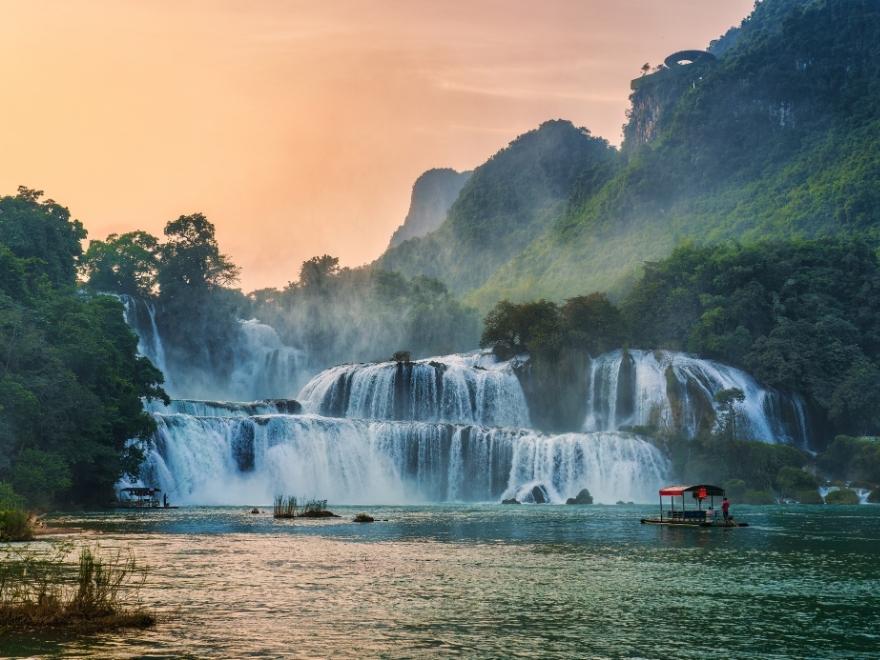
For the most powerful, photographic waterfall, aim for late summer early autumn, roughly August through October. Heavy rains create wide, forceful cascades and extended mist around Ban Gioc Waterfall. If you prefer calmer conditions, clearer skies, and easier boat access at the base of the falls, choose late September to November or March to April.
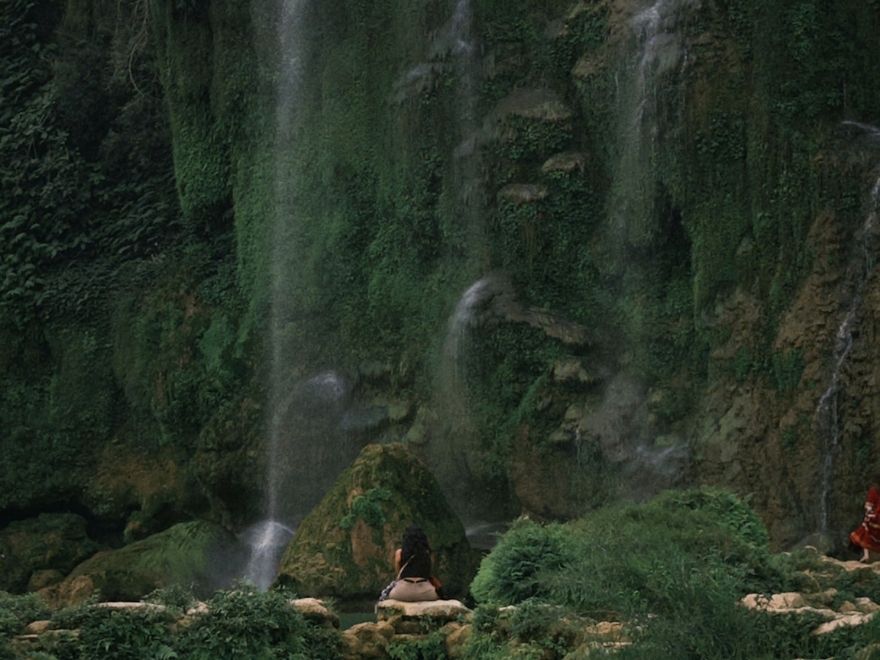
October offers a sweet spot where flow often remains strong after the rains, but blue patches are more common between rain fronts. Photographers should weigh whether they want long exposures in heavy mist or crisp light with moderate flow.
One detail that most general guides skip: during the drier months, an upstream dam on the Quay Son River holds water back and releases it through late morning, so the falls run noticeably fuller roughly between 10:30am and 1pm than they do at sunrise. If you are visiting in the dry-season window above, timing your arrival for late morning rather than first light will show you a stronger waterfall.
Thang Hen Lake and Nature Exploration
Thang Hen Lake and similar nature stops look fullest during and immediately after the wet season. For reflections and saturated color, early autumn or late summer after a rain spell is best. Dry-season visits offer easier walks around lake edges and firmer paths. If you plan boat trips or lakeside walks, the shoulder months of March, April, and October provide the best combination of water level and reliable footing.
Cultural Festivals and the Soul of the Community
Cultural festivals also peak around harvest or the Lunar New Year. The Long Tong Festival, celebrated by the Tay people on the 10th day of the first lunar month (usually February), is the highlight. It is a time for traditional rituals, Then singing, and folk games like “con” throwing. Tet, Vietnam’s Lunar New Year (usually late January to mid-February, shifting every year with the lunar calendar), is the other major marker. If you want to experience it, plan around that window, but be aware that many small businesses, homestays, and family-run restaurants close for several days on either side of the holiday, so book transport and accommodation well ahead. In exchange, the village celebrations provide a cultural payoff that a normal week in Cao Bang does not.
Travelers passing through may also catch Trung Thu, Vietnam’s Mid-Autumn Festival (usually mid to late September, occasionally slipping into early October), held on the 15th day of the 8th lunar month. Unlike Tet, it is not a public holiday, so nothing closes: children carry star-shaped lanterns through the streets in the evening and mooncakes appear in every market. It is a low-effort bonus for anyone already in the region for the golden rice harvest.
Early October also brings the Ban Gioc Waterfall Festival, an annual event organized by Trung Khanh district with a water procession, local food stalls, folk games, and cultural performances staged right at the falls. Timing a trip for this week lines up with the road conditions and waterfall flow already covered above, so it works as a bonus rather than a trade-off.
Oliver’s Expert Share: Tactics & Safety
- The Gear Factor: In the rainy season, standard rain jackets cause excessive sweating. I recommend high-quality ponchos that cover both you and your pack to allow airflow.
- Navigation Hack: Use Maps.me for offline navigation. Signal drops in deep valleys like Trùng Khánh, and Google Maps often misses vital village cut-throughs.
- Braking Safety: On misty winter days, the road surface becomes “greasy” with moisture. Brake early and avoid sudden leans on mountain corners.
- Emergency Buffer: Always build a 2-hour buffer into your driving schedule during the monsoon (May-Aug). A heavy downpour can turn a short stage into a long crawl.
Road Conditions, Motorbike Travel, and Safety
The most important trip decision in Cao Bang is when to plan overland travel, because season directly affects road surfaces and safety.
When Roads are Easier and Safer
The safest period for driving and motorbiking is November through April. During these months you will find firmer surfaces, fewer muddy stretches, and more predictable travel times between towns and attractions. If you are inexperienced on mountain roads, avoid long single-day motorbike legs even in the dry season. Daylight hours and good weather matter more than a neat calendar date. Start early, allow extra time, and check local weather before leaving.
When Travel Becomes More Difficult and Risky
Puddles, mud, and occasional landslides make May through September the most difficult months for overland travel. Narrow passes like Me Pia Pass aka Khau Coc Cha pass (the 14-level pass), steep climbs, and unpaved loops can become treacherous after heavy rain. Night riding is especially risky because visibility drops and roadside shoulders can be soft. During the rainy season, keep a flexible schedule and a backup plan for delays. If you must ride a motorbike, choose a reliable, powerful bike with good tires.
Which Travel Style Fits Which Season?
Match your travel style to the seasonal realities to get the most Cao Bang without surprises. Below are practical fits, not lifestyle stereotypes.
Best Time for Photographers
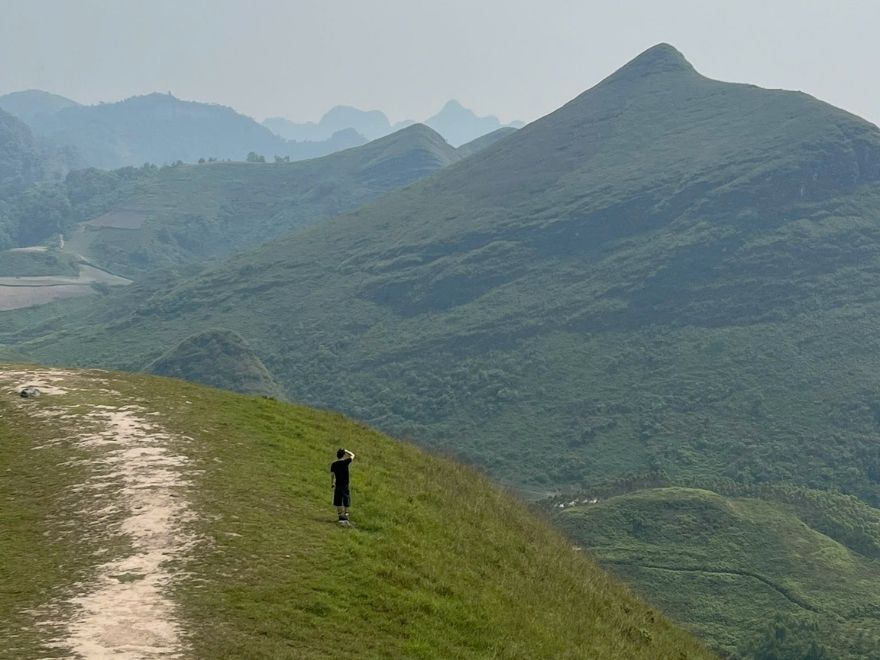
Choose October or April. October often balances strong waterfall flow with clearer skies, while April gives crisp spring light and fresh colors. For dramatic mist and powerful water motion, plan for August to early October, but expect more overcast days. If you travel for landscape richness rather than specific blooms, late September to October will give you peak saturation of color.
Best Time for Budget Travelers
Consider December to February. Accommodation and tour rates are often lower in the quiet season, though you trade off some daylight and warmer weather. Shoulder months like March and November can also give better value while avoiding full monsoon disruption. These months allow for a more relaxed itinerary and cultural visits with fewer tourist crowds, and it is a good stretch to settle into one of the province’s homestays or eco-stays for a few extra nights without stretching the budget.
Best Time for Motorbike Travelers
Focus on the window between November and April when roads are firmer and unpredictable rain is less common. If you plan a loop that includes Ban Gioc and rural passes, avoid the heart of the monsoon and schedule extra days to account for weather-related delays. Start early, allow extra time, and check local weather before leaving each town. If you do not have your own bike, renting from a local motorbike rental service based in Cao Bang City means you start the loop with a well-serviced bike and can get current road-condition advice before setting off.
>>> Read more: IDP for Cao Bang - What travelers need to know before driving
Conclusion
Ultimately, the “best” time to visit Cao Bang is less about a fixed date on a calendar and more about the specific “vibe” you want to experience. Cao Bang is a province that rewards the well-prepared and the flexible, the landscape remains one of the most honest and raw experiences in Northern Vietnam. If you are still deciding whether Cao Bang fits your trip at all, our complete guide to Cao Bang covers what the province offers beyond the waterfall photos.
Not sure which window fits your dates? Send our team the dates you have in mind and we will tell you what to expect on the road and at Ban Gioc that week, then help you build the loop around it. Contact Cao Bang Eco Travel.
>>> Related articles:

Have 0 comments, reviews about Best Time to Visit Cao Bang: Lastest Expert Tour Guide Advice
Hello. Please leave a comment, we will respond soon.