


Camping in Cao Bang sounds simple: find a beautiful mountain view, set up a tent, and enjoy the night. In reality, it needs a little more planning. Some places are better for overnight camping, some are only suitable for a daytime picnic, and random wild camping is not always a good idea. This guide will help you understand where camping makes sense, what to know before sleeping outdoors, and what to pack for a safer, easier experience in Cao Bang.
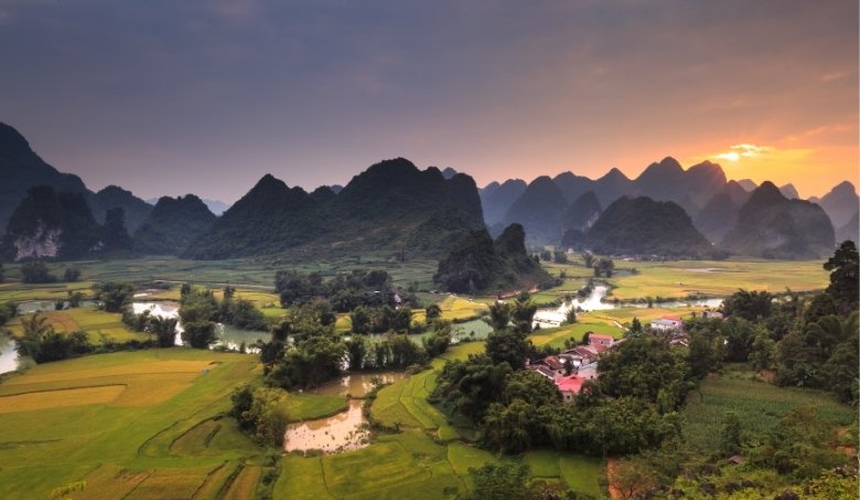
Cao Bang, Vietnam is often known for Ban Gioc Waterfall, but the province is much more than a single photo stop. Set in the mountainous northeast near the Chinese border, Cao Bang brings together limestone valleys, caves, rivers, Tay and Nung villages, local markets, craft traditions and quiet roads that still feel less commercialized than many northern Vietnam destinations. This guide helps you understand where Cao Bang is, what makes it worth visiting, how many days to spend, when to go, and how to plan a route that does not feel rushed. It is designed as a practical starting point before you dive deeper Ban Gioc, the Cao Bang Loop, local food, hidden valleys and cultural villages.
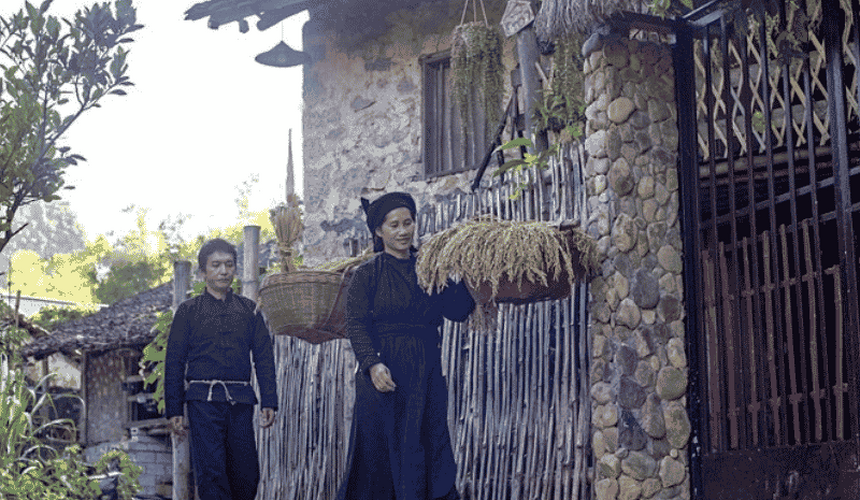
Set beneath the limestone mountains on the eastern side of the Cao Bang Loop, Khuoi Ky Stone Village is a quiet Tay village near Ban Gioc Waterfall and Nguom Ngao Cave. Known for its centuries-old stone stilt houses, small stream, homestays, and local family life, it offers a slower and more cultural stop in one of northern Vietnam’s most scenic mountain regions. Rather than a large tourist attraction, Khuoi Ky is a place to notice small details: old stone steps, yin-yang tiled roofs, family courtyards, and the daily rhythm of a village shaped by stone and mountain life. This guide covers its history, culture, things to see, food, homestays, and practical tips for visiting.
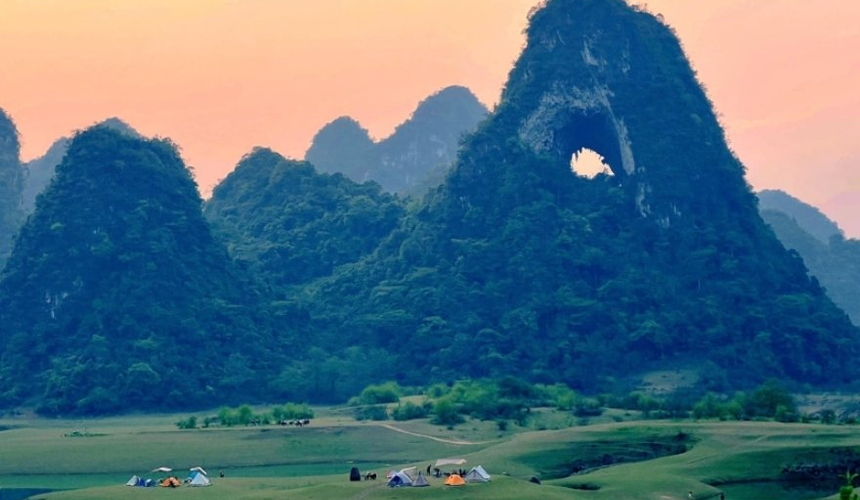
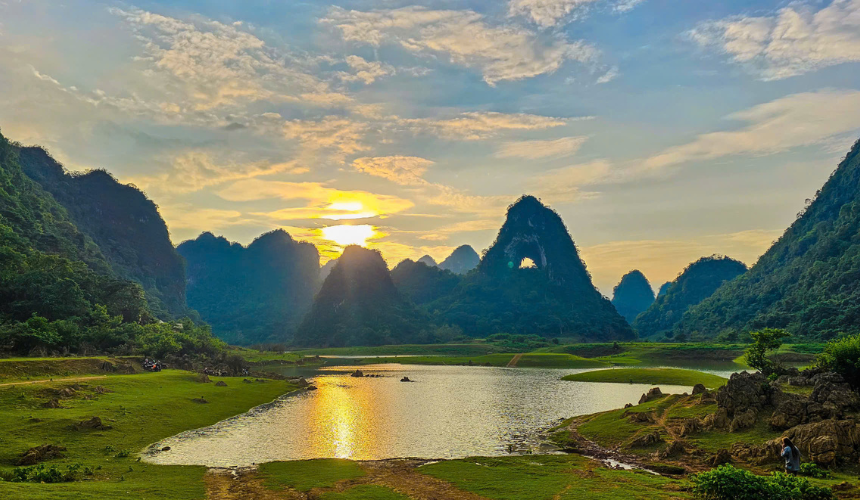
At first glance, Angel Eye Mountain appears almost unreal: a limestone peak pierced by a vast circular opening, rising above the quiet landscape of Nam Cha Valley. Yet the view is never quite the same twice. Depending on the season, the valley below may be covered by open grassland, grazing animals or a temporary lake reflecting the surrounding peaks. This guide explains how to reach the mountain, what the final road and walk are really like, and how to choose the right time to experience this distinctive stop on the Cao Bang Loop.
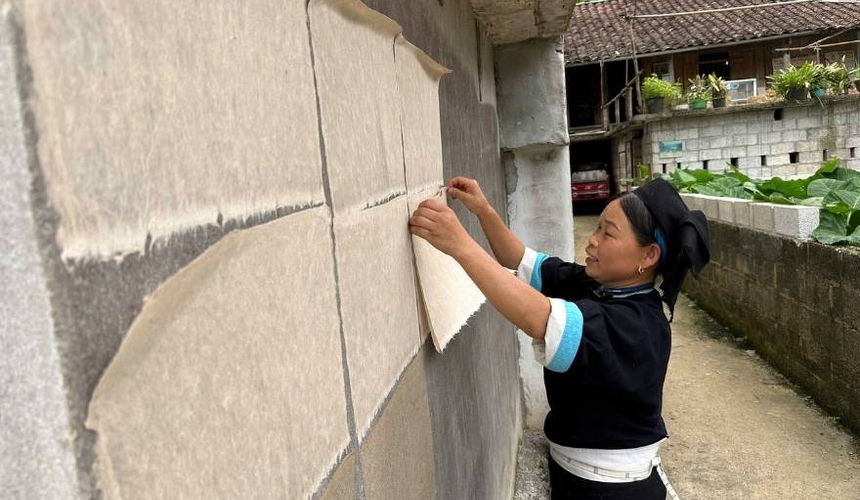
Cao Bang isn’t the kind of place where you leave with mass-produced souvenirs or airport gift-shop items. The best things to buy here carry stories, from a hand-forged knife shaped by generations of Nùng artisans in Phúc Sen to a warrior-style bamboo hat woven by hand, naturally dyed indigo textiles, and local specialties like Khẩu Sli and Trung Khánh chestnuts. If you're wondering what to buy in Cao Bang, this guide goes beyond typical souvenirs and brings together authentic local products that reflect the culture, craftsmanship, and everyday life of Vietnam’s northeastern mountains.
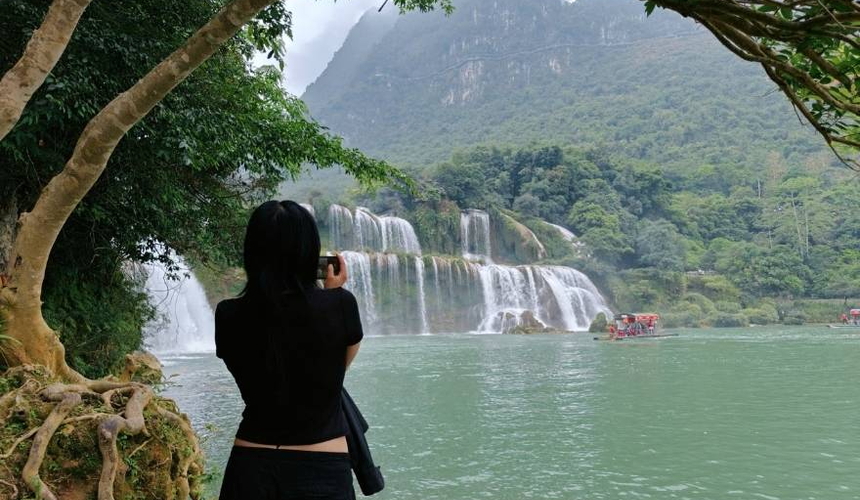
Ban Gioc Waterfall is located about 330 km (205 miles) northeast of Hanoi. As the 4th largest border waterfall in the world, it marks the majestic frontier between Vietnam and China. While the journey through the mountains might look intimidating on a map, reaching this UNESCO site is actually quite simple once you understand the local logistics.
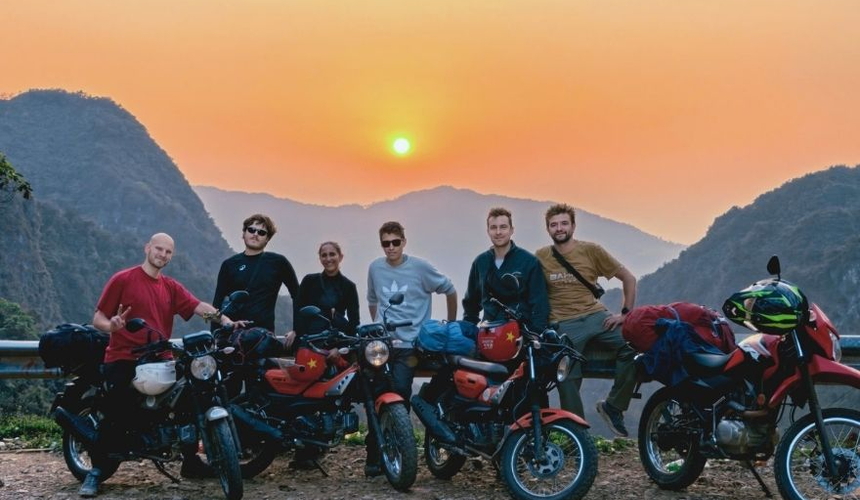
If you’re looking to explore the Cao Bang Loop, one of Vietnam’s most incredible hidden gems, you may be questioning what you should prepare for the journey ahead. Between what to pack, whether to drive or enjoy the ride with an easy rider, where to stay along the way, or the equipment you may need, we have got your ultimate guide to cover any questions you might have about the preparation.
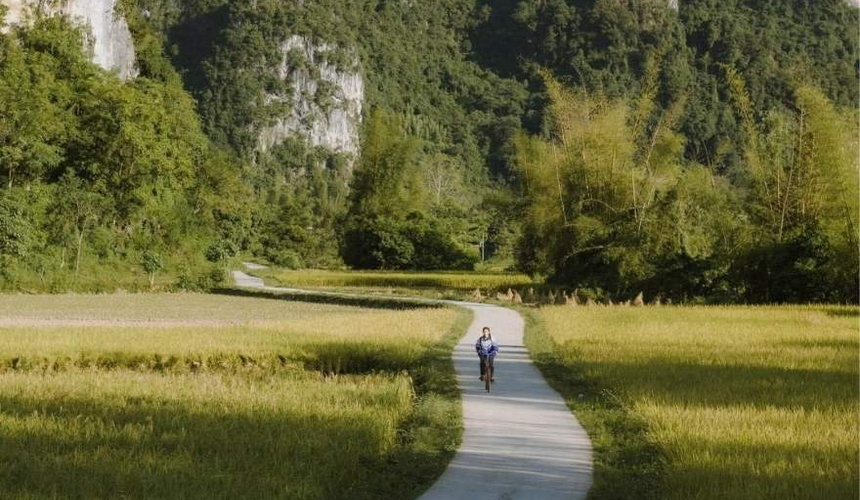
If you need a clear recommendation, plan for late September to November or March to April. These periods offer the best balance of dry roads, pleasant temperatures, and strong but manageable water flow at Ban Gioc. Choosing between them depends on whether you prioritise maximum waterfall volume and lush green hills, or clearer skies and easier motorbike travel. This guide provides a practical, real-world perspective on the best time to visit Cao Bang, including weather insights, concrete planning tips, and the seasonal rhythms that shape local life.
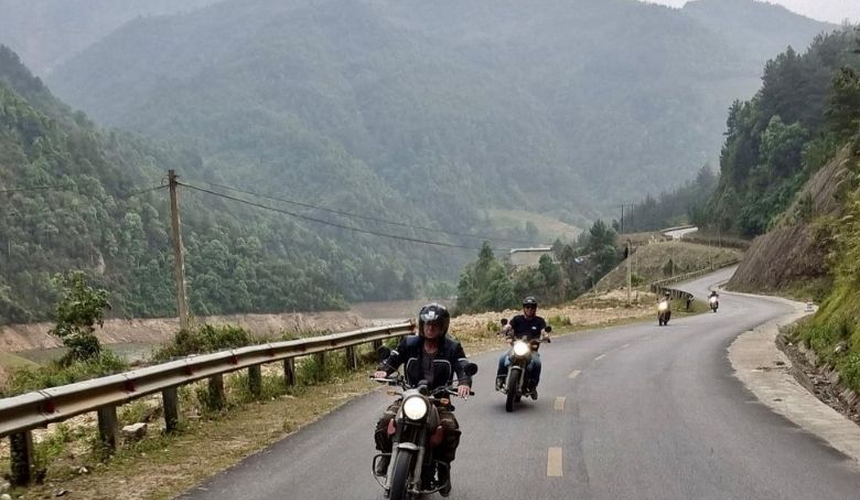
Before renting a car or scooter in Vietnam, travelers need to know whether their IDP is actually valid, what vehicle classes it covers, and what happens at checkpoints. This guide should help you make a safe yes/no decision fast.
Why November is the Perfect Time to Explore the Cao Bằng Loop November is one of those golden months in northern Vietnam: clear skies, dry roads, and crisp mountain air. For travelers heading Cao Bằng, it’s the season when the rice terraces glow in warm tones, waterfalls flow steadily, and the crowds thin out.

1. La cascade de Bản Giốc : un chef-d’œuvre naturel 2. La grotte de Ngườm Ngao : le royaume souterrain 3. Les rizières en terrasses de Trùng Khánh et Quảng Uyên 4. Les villages Tay et Nùng : portraits et vie quotidienne 5. Les routes de montagne et les panoramas

Cao Bang food comes largely from Tày and Nùng home cooking, and many of the dishes visitors look for are sold only at certain hours. Rice-roll shops are busiest in the early morning, duck-filled áp chao stalls open in the afternoon, and a few specialties appear for only a few weeks a year. One thing I’ve learned about Vietnamese culture is that people truly respect the act of eating. Some of these dishes exist elsewhere in Vietnam, but in Cao Bang they are everyday local food rather than something prepared for visitors, and that is what makes eating them here worthwhile.
